Bowser Electric
In the ever-evolving field of electrical engineering, selecting the right Miniature Circuit Breaker (MCB) for inductive loads is crucial. Experts frequently discuss this topic, and one of the leading voices is Dr. Emily Chen, a renowned electrical engineer. She emphasizes, "Choosing the right MCB is essential for protecting inductive loads effectively."
As technology progresses, the complexity of electrical systems increases. Inductive loads, such as motors and transformers, present unique challenges, particularly during startup. Therefore, understanding what type of MCB is best for inductive loads becomes vital for electrical safety and efficiency. Selecting an MCB that can handle inrush currents without tripping is critical for maintaining operational reliability.
However, the right choice isn't always straightforward. MCBs vary widely in specifications, which can lead to confusion. It's important for engineers to weigh factors like the application's demand, load characteristics, and how frequent spikes occur. This process requires careful consideration and can often spark debate among professionals, reflecting the dynamic nature of the industry. The ongoing exploration of options highlights the need for continual learning and adaptation in electrical engineering practices.
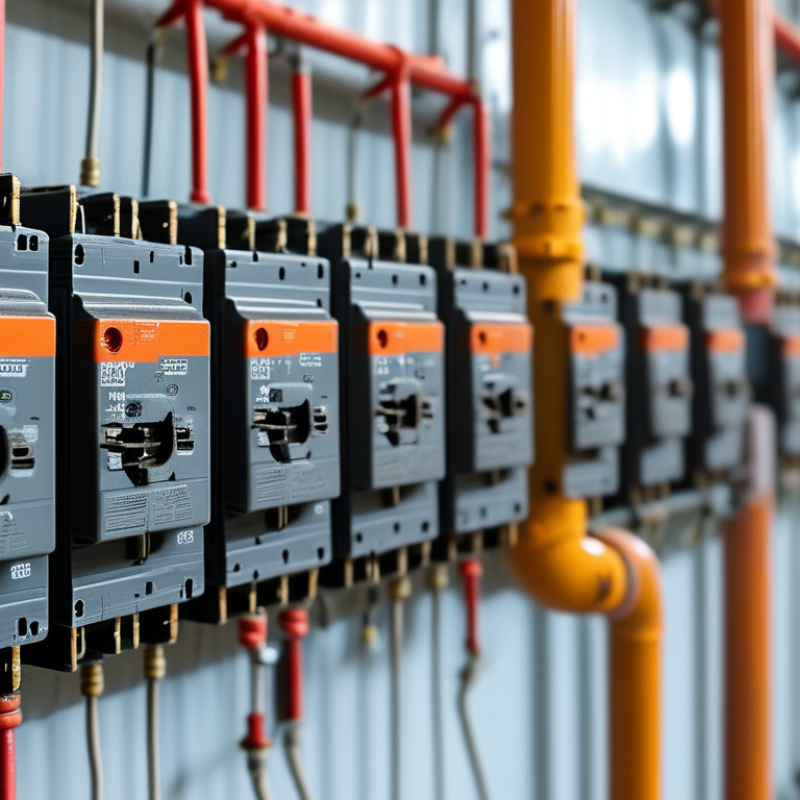
Understanding inductive loads is crucial for selecting the right Miniature Circuit Breaker (MCB). Inductive loads include motors, transformers, and relays. They generate magnetic fields that can cause current spikes. These spikes often occur during operation or when starting up. When choosing an MCB, it is essential to consider the characteristics of these loads.
Inductive loads typically draw higher inrush currents. This can be several times their normal operating current. A standard MCB might trip under these conditions, leading to frequent resets. An MCB designed for inductive loads can handle these surges without tripping unnecessarily. Therefore, the MCB must have appropriate settings tailored to deal with inrush currents.
Beyond just handling inrush currents, consider each load's specific requirements. The overall performance of the system might vary based on these characteristics. Test and evaluate different MCBs in controlled settings. This step helps to ensure reliability. It’s imperative to analyze performance data deeply to make an informed decision. Balancing safety with functionality is a key aspect in the design phase. Though it might present challenges, reflection on past choices will lead to better solutions.
In 2026, selecting the right Miniature Circuit Breaker (MCB) for inductive loads is crucial. Various types of MCBs are specifically designed to handle the unique characteristics of inductive loads, such as motors and transformers. Type B MCBs are commonly used for general inductive applications, but Type C and D may be necessary for larger motors with high inrush currents.
When opting for an MCB, consider the load profile. An MCB that is ideal for one application may not suit another. Inductive loads can cause delayed fault conditions. Thus, understanding the MCB's trip curve is vital. This curve indicates how quickly the MCB will trip under fault conditions.
Tips: Always consult an electrical engineer when selecting an MCB. This helps ensure compatibility with your specific application. Pay attention to the voltage and current ratings as well. Regular maintenance can also prevent unexpected failures, extending the lifespan of your circuit protection devices.
Additionally, gauge the thermal and magnetic response of the MCB. Some environments might require specialized MCBs that endure extreme conditions. Assessing both load types and environmental factors can guide you to the best choice. Always remain open to adjustments based on real-world testing and feedback.
| Type of MCB | Current Rating (A) | Tripping Curve | Suitable for Inductive Loads | Special Features |
|---|---|---|---|---|
| Type B | 6, 10, 16, 20, 25, 32 | B Curve | Low Inductive Loads | Fast tripping for resistive loads |
| Type C | 10, 16, 20, 25, 32, 40, 63 | C Curve | Medium Inductive Loads | Suitable for motors and transformers |
| Type D | 16, 20, 25, 32, 40, 63 | D Curve | High Inductive Loads | Delay in tripping to handle inrush current |
| Type K | 10, 16, 20, 25, 32, 40 | K Curve | Special Applications | Ideal for certain types of inductive loads |
| Type Z | 6, 10, 16 | Z Curve | Very Low Inductive Loads | Sensitive tripping for low inrush |
When selecting Miniature Circuit Breakers (MCBs) for inductive loads in 2026, certain features are crucial. Inductive loads, such as motors and transformers, draw high inrush currents when starting. This demand requires MCBs with specific characteristics to ensure safety and reliability. According to industry reports, MCBs with a high breaking capacity and appropriate tripping characteristics are ideal.
MCBs designed for inductive loads should feature a specific tripping curve, typically C or D. These curves allow for brief surges without tripping unnecessarily. A 2023 study noted that up to 60% of electrical failures in industrial settings are due to inappropriate MCB selection. Additionally, MCBs should have thermal magnetic trip units. This combination provides better protection against overloads while allowing for the inductive kick that occurs with motor startups.
Another consideration is the MCB's compatibility with local electrical standards. Ensure they meet or exceed the IEC 60898-1 specifications. Remarkably, over one-third of installations face issues because of non-compliance. Reliable manufacturers often provide detailed datasheets to help in selection. This transparency aids engineers in making informed decisions.
Selecting the right Miniature Circuit Breaker (MCB) for inductive loads is critical. Inductive loads, like motors and transformers, require careful consideration. According to a 2023 industry report, motors account for over 60% of electrical energy consumed in industrial settings. This impacts not only energy cost but also MCB performance.
When evaluating MCBs for inductive applications, consider the inrush current. It can be up to eight times the normal operating current. Using standard MCBs may result in nuisance tripping. Look for MCBs with a C or D curve rating. These are designed to handle higher inrush currents without tripping.
Reliability is another factor. High-quality MCBs typically offer better thermal stability. Estimates suggest that 20% of circuit failures stem from poor quality breakers. Ensure the MCB's specification aligns with the load type and environment. Ignoring these factors could lead to operational inefficiencies and safety hazards. A well-chosen MCB can enhance system longevity and performance.
When selecting Miniature Circuit Breakers (MCBs) for inductive loads in 2026, a comparative analysis of various brands reveals key insights. Inductive loads present unique challenges, particularly due to their high inrush currents. Recent industry reports indicate that MCBs with a B or C curve rating are generally more suited for these applications. Specifically, C curve MCBs can handle inrush currents better than B curve ones, thereby reducing nuisance tripping.
Experts noted that not all MCBs perform equally under inductive loads. Some brands have demonstrated superior performance metrics, particularly regarding tripping time and tolerance to overload. According to a market research study, MCBs rated at 10kA have become standard for industrial applications, maximizing safety without compromising functionality. A reliable MCB should be able to withstand sustained conditions without failure, especially in high-demand environments.
Tips: Always check the specifications of the MCB in use. Ensure compatibility with the inductive load in question. Regular testing and monitoring can help identify early signs of failure. It’s crucial to weigh the initial cost against long-term reliability and performance. Investing in quality MCBs will save costs in maintenance and premature replacements.
: Look for high breaking capacity and appropriate tripping characteristics for safety and reliability.
Tripping curves like C or D allow brief surges without unwanted tripping during motor startups.
Up to 60% of electrical failures in industrial settings arise from inappropriate MCB choices.
Thermal magnetic trip units are suggested for better overload protection during inrush events.
MCBs should meet or exceed IEC 60898-1 specifications to avoid installation issues.
Certain brands perform better concerning tripping time and overload tolerance under inductive loads.
10kA ratings have become standard for industrial MCBs, balancing safety with functionality.
Regular testing and monitoring are key to identifying potential failure signs early.
Consistent checks help ensure compatibility with the specific inductive loads in use.
Weigh initial costs against long-term reliability; quality MCBs reduce maintenance costs over time.
In the exploration of "what type of MCB is best for inductive loads in 2026," it is essential to first understand the characteristics of inductive loads, such as motors and transformers, which require specific circuit protection due to their unique electrical demands. In 2026, various types of Miniature Circuit Breakers (MCBs) are available, each designed with features tailored to handle the inrush currents and prolonged operational demands of inductive applications.
When selecting the appropriate MCB for inductive loads, key factors include the MCB's trip curve, which should accommodate the inductive startup currents while providing timely protection against overloads and short circuits. A thorough comparative analysis of MCB options will reveal specific models that excel in providing the necessary protection and reliability for inductive applications, ensuring both safety and efficiency in electrical systems. Ultimately, understanding these elements will guide users in determining the best MCB type for their specific needs in 2026.
