Bowser Electric
Nuisance tripping in distribution boards can be frustrating. Many users face this issue, which disrupts daily operations. Understanding how to troubleshoot nuisance tripping in a distribution board is essential. This knowledge can save time and reduce downtime.
In this guide, we’ll explore practical steps and common causes of nuisance tripping. We’ll delve into reasons such as overloaded circuits and faulty equipment. Addressing these can prevent further complications.
Experiencing nuisance tripping? You are not alone. Many report similar issues, which often stem from minor oversights. Learning to identify and rectify these problems enhances both safety and efficiency in your electrical systems.
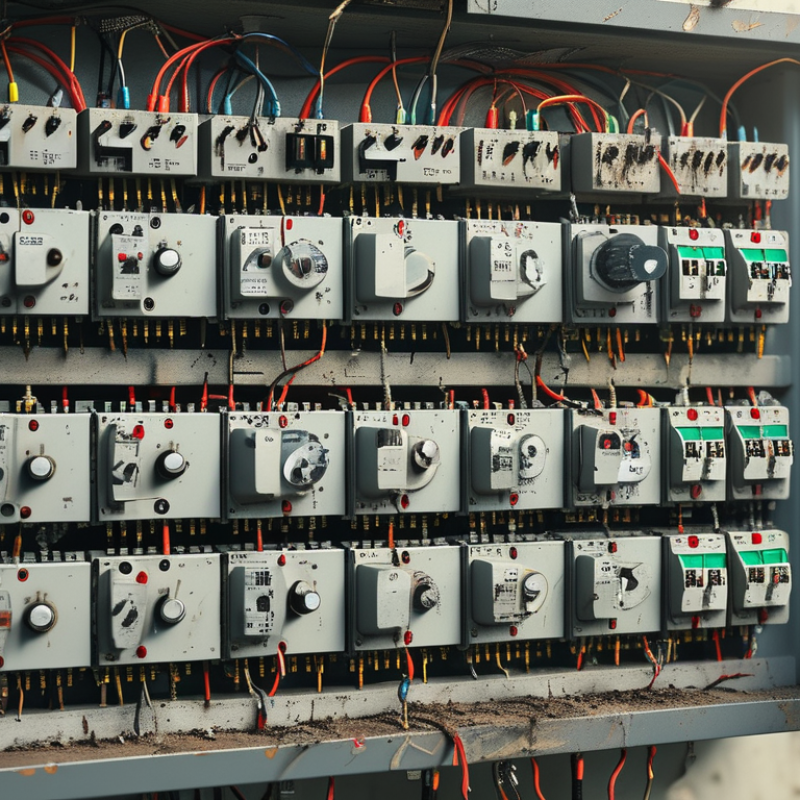
Understanding nuisance tripping in distribution boards is essential for maintaining a reliable electrical system.
Nuisance tripping refers to the unwanted activation of circuit breakers, which can disrupt power supply without any real danger.
It can be caused by various factors, including overloads, faulty wiring, or environmental influences.
Identifying these triggers is crucial for effective troubleshooting.
Many users overlook the importance of load balancing. Uneven distribution can lead to circuits exceeding their limits.
Additionally, moisture ingress can affect equipment performance. Regular inspections can help detect such issues early.
Sometimes, users may notice that certain appliances frequently cause trips. Identifying specific devices can help isolate the problem.
When troubleshooting, it's helpful to document the patterns of tripping. This process can unveil hidden issues. Sometimes, the breakers themselves may be overly sensitive. In such cases, it’s best to consult with a professional for calibration or replacement. Addressing nuisance tripping requires both an understanding of the system and careful observation.
Nuisance tripping occurs when circuit breakers trip unnecessarily. This can disrupt operations and frustrate users. Common causes include overloaded circuits, moisture, and faulty appliances. Overloading is frequent in modern homes. Too many devices drawing power can exceed the breaker's limits.
Moisture can also play a significant role. Water may enter electrical systems due to leaks or high humidity. This can lead to short circuits. Faulty appliances are another issue. When an appliance malfunctions, it can cause a trip. Identifying these issues requires a keen eye and sometimes professional assistance.
Regular inspections of your distribution boards are essential. Look for signs of wear or damage. Ensuring good electrical practices can enhance system reliability. However, some issues may remain elusive, demanding further investigation. A healthy respect for the complexities of electrical systems can help prevent unnecessary disruptions.
Nuisance tripping in distribution boards can disrupt your daily activities. Identifying the root cause requires a systematic approach. Start by inspecting the circuit breakers. Look for any visible damage or wear. If the breaker frequently trips, it might be undersized. Assess the load being drawn. A circuit overloaded with too many devices could lead to frequent interruptions.
Next, check for faulty wiring. Look for loose connections or damaged insulation. These issues can create short circuits and lead to unwanted tripping. Ensure all connections are tight and secure. Testing with a multimeter can help detect issues that are not visible to the naked eye.
Additionally, consider external factors. High humidity or moisture can affect electrical components. Ensure that the distribution board is adequately sealed and away from potential water ingress. If the problem persists despite these checks, consulting an electrician is advisable. Their expertise can provide deeper insights into complex issues that may not be immediately apparent. Nuisance tripping often requires patience and a keen eye to resolve.
Nuisance tripping in distribution boards can lead to unnecessary downtime and frustration. To minimize these occurrences, preventive measures are essential. Effective troubleshooting begins with understanding the underlying causes. Common reasons include overloads, short circuits, and environmental factors such as moisture or dust. Inspecting the distribution board regularly helps in identifying potential issues.
**Tips:** Ensure proper load distribution across circuits. Many problems arise from uneven load, which causes breakers to trip. Clean the distribution board periodically. Dust accumulation can lead to overheating and malfunctions. Additionally, consider using surge protectors. They can shield your system from voltage spikes, which often trigger nuisance tripping.
Educating users about electrical safety also matters. Encourage proper usage of electrical appliances to avoid excessive loads. Overloading circuits is a frequent cause of nuisance trips. Evaluate the overall electrical infrastructure. Sometimes, the layout or condition of wiring contributes to the problem. Consulting with an electrical expert can uncover hidden issues. Regular audits can reveal weaknesses in distribution systems.
Nuisance tripping can be frustrating for homeowners and businesses alike. Understanding when to seek professional help is crucial. According to the National Fire Protection Association (NFPA), about 31% of electrical fires occur due to faulty wiring or other electrical issues. Monitoring your distribution boards is essential to prevent potentially dangerous situations.
Before calling an electrician, assess the frequency of the trips. If it happens during specific activities, such as using heavy machinery, it might just be a load issue. Keep an eye on your electrical usage; professional reports indicate that overloading accounts for nearly 30% of nuisance trips. Regularly checking circuit breakers can help identify patterns and specific problems.
Here are some tips: Ensure that appliances are in good working order. Damaged cords or faulty devices can cause tripping. Also, avoid using multiple high-wattage devices on one circuit. If nuisance tripping persists, it's time to consult with a qualified electrician. Their expertise can pinpoint underlying issues that may not be immediately apparent. Remember, it’s better to address problems early than to face larger electrical issues down the line.
: Nuisance tripping causes circuit breakers to trip unnecessarily. This can disrupt daily activities.
Check for visible damage. Look for wear or signs that they might be undersized.
Overloads, short circuits, and environmental factors like moisture can cause tripping.
Evaluate the number of devices connected. Too many items can lead to frequent interruptions.
Look for loose connections or damaged insulation. These can create short circuits.
High humidity or moisture affects electrical components. Ensure your distribution board is sealed properly.
Distribute loads evenly across circuits. Regular cleaning can prevent dust accumulation.
Understanding proper usage helps avoid overloads. Proper education can significantly reduce nuisance trips.
If problems persist, an electrician can provide insights into complex issues not easy to diagnose.
Regular inspections can help identify potential issues early and minimize disruptions.
Nuisance tripping in distribution boards can disrupt electrical systems and lead to inconvenience. Understanding the underlying causes, such as overloaded circuits, faulty devices, or environmental factors, is crucial in addressing these issues effectively. To learn how to troubleshoot nuisance tripping in a distribution board, one should follow a systematic approach, starting with inspecting the affected circuits, testing the circuit breakers, and checking for any signs of damage or moisture.
Preventive measures such as regular maintenance and proper load management can significantly reduce the likelihood of nuisance tripping. However, if issues persist despite following troubleshooting steps, it's important to seek professional help to ensure safety and compliance with electrical standards. By being proactive and informed, users can minimize disruptions and ensure the reliability of their electrical systems.
